“Art has the role in education of helping children become like themselves instead of more like everyone else.” – Sydney Gurewitz Clemens
This powerful quote captures the heart of what we witnessed during our recent visit to BAIP(Baltimore Arts Integration Program) with a passionate group of educators. These were not just any teachers. You want to know their mission? These teachers are spending their summer trying to make learning more engaging, personalized, and creative for every student. Every student is different. That’s a truth we often hear, but these teachers are putting it into practice. They are embracing the idea that “one-size-fits-all” doesn’t work in education. Instead, they’re finding ways to give students choices and different pathways to show what they know and who they are.
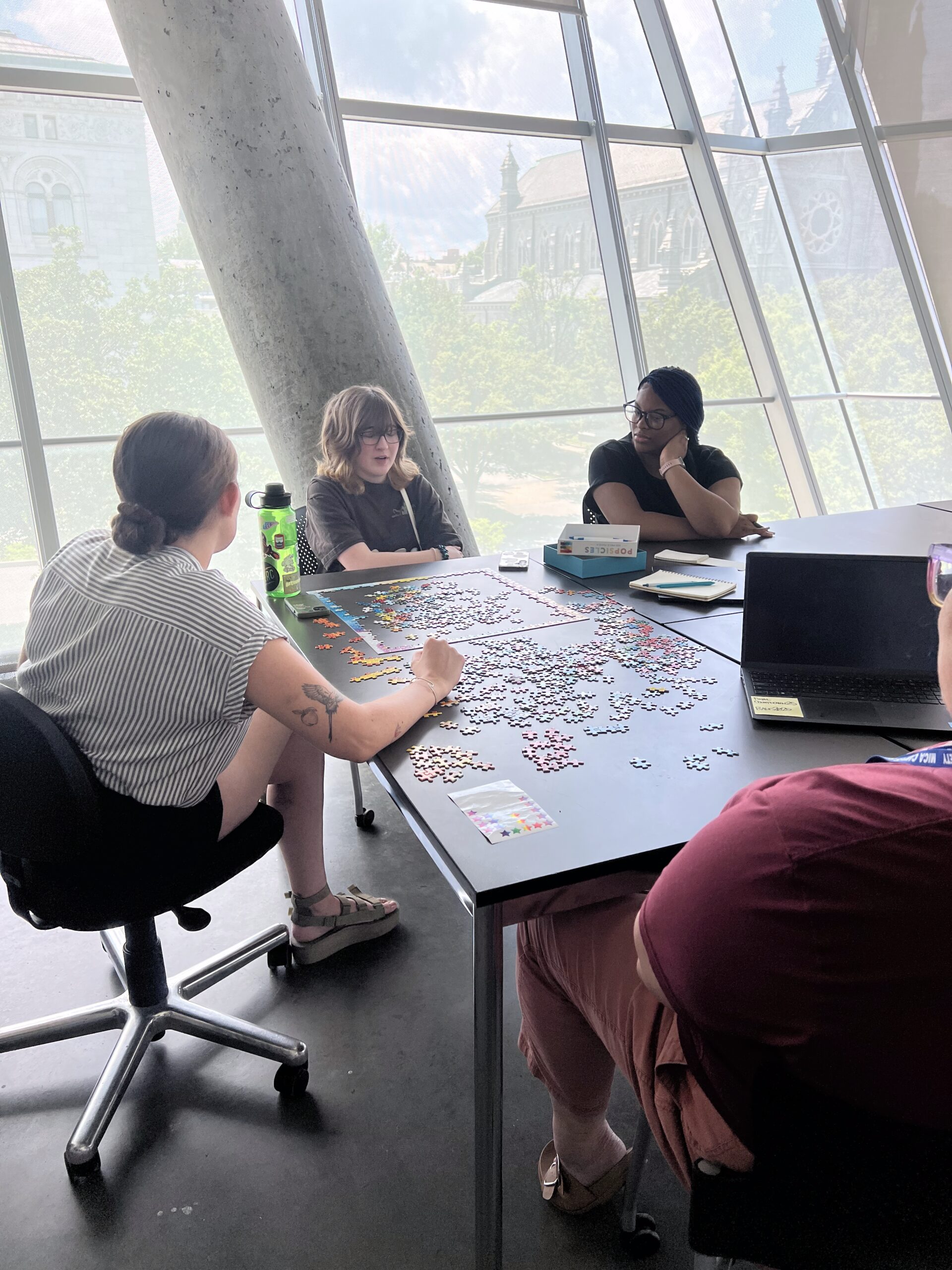
While at BAIP, we got the opportunity to interact with many teachers from a variety of different schools and backgrounds. Some worked with visual arts, others worked with ELA, and a few even taught music. It was eye opening to see how they interacted with each other even though they were all different.
We came to BAIP to observe the teachers and how they created lesson plans. They were very welcoming to us and openly shared what they were doing. We sat in on a few groups of teachers and listened to them talk about how they taught their students. We even saw the lesson plan for a book we had read when we were in middle school! We got the chance to give our opinions on how we learn best, which in turn was used by the teachers to further their lesson plans.
For example, Alana enjoys learning via games, competition, or teamwork. But Alex prefers to work alone with no graphic organizers or input from others. By giving our unique preferences to the teachers they were able to understand that students need choice. Not everyone learns the same. And if things were taught just one way, only one group of people would benefit. But by allowing students to pick how they learn best, it gives everyone a chance to engage in classroom activities and thus benefit from what is being taught.
We enjoyed being in a space with teachers and being able to give our opinions on how things are taught. After all, who better to ask about teaching effectiveness than the kids who are being taught?
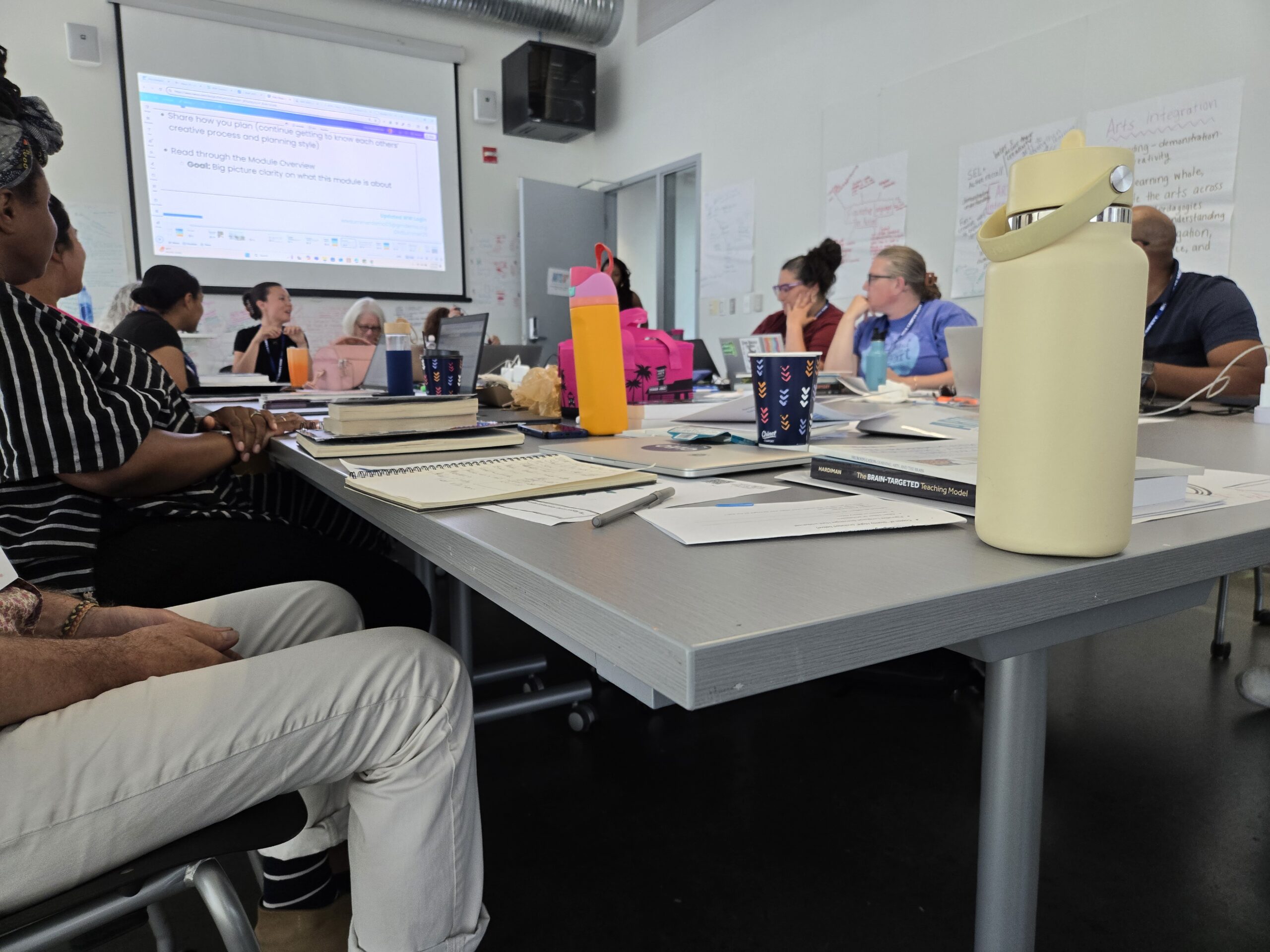
When we walked in we were greeted with a warm welcome as people were speaking. At BAIP we saw teachers surrounding a table talking about how their students should receive information throughout the arts in different ways. The goal is so that the students can be more engaged in any topic that is being shared with them. Throughout the meeting people were able to ask questions just in case they didn’t understand certain terms that could affect how one can retain important details through the arts. Though they were focused on a specific topic that was important, they still managed to have fun. The teachers discussed different art forms and how they can correlate to what they teach.
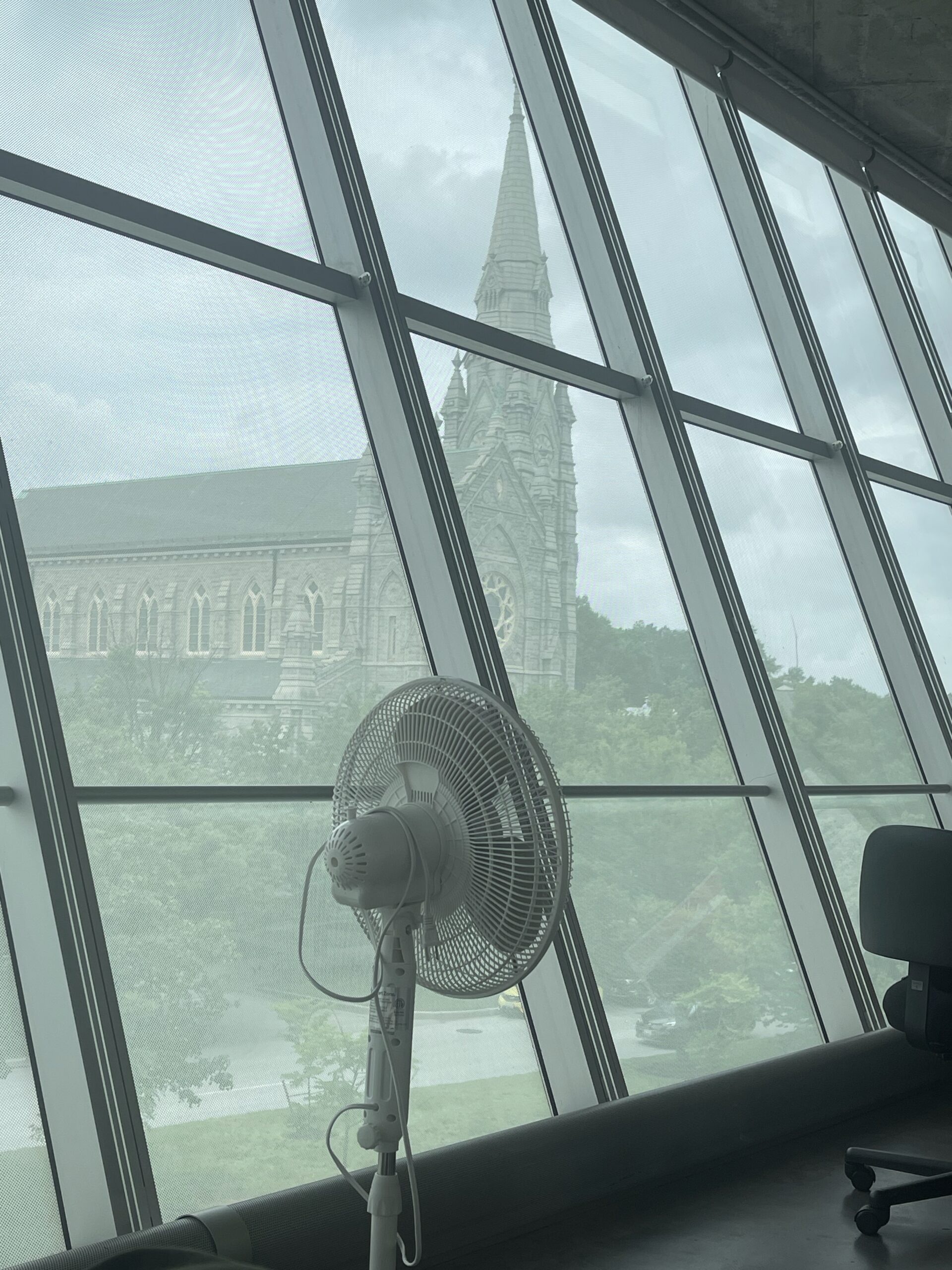
One of the activities we saw was where the group took a moment to look out the window and find a building, and each of the teachers used one word to describe what they saw. They also talked about things like what shape is the architecture and how does it make them feel. The reason for this activity was to highlight visual thinking strategies, mostly analyzing and making connections. This activity helped teachers with observing what they say and how their cohort can relate to each other.
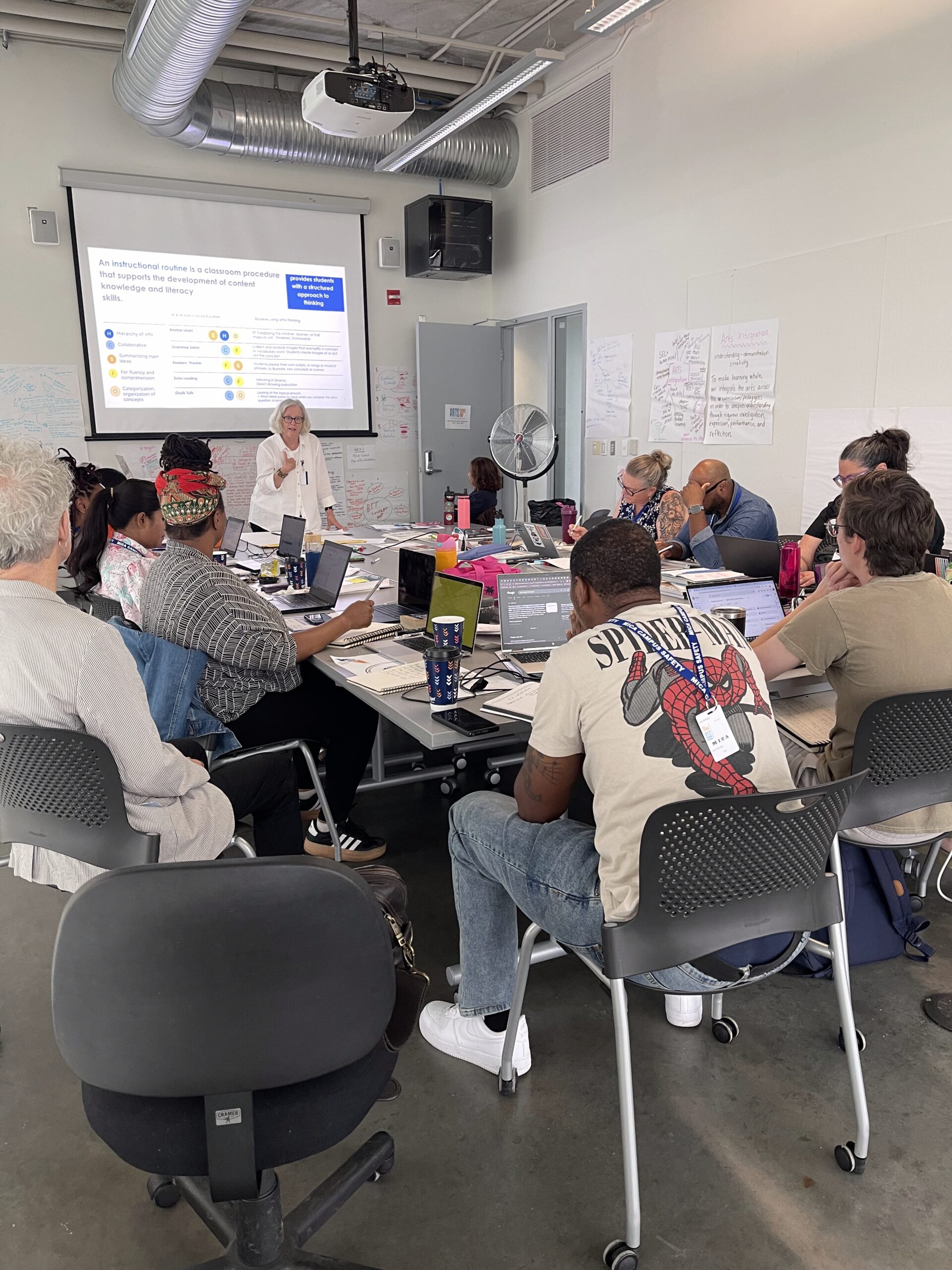
This was a riveting experience getting to see how teachers communicate their thoughts overall so the students that are getting taught can have a better impact as they move forward throughout lessons. As we move on, how can different methods of the arts make a difference on how other students learn?
Conclusion
Arts integration isn’t just about adding a painting to a history lesson or singing a song about the water cycle. It’s about using the arts as a lens through which students can better understand themselves and the world around them. When students are invited to express their understanding through music, movement, or drama, they are more likely to feel ownership of their learning. They are more likely to see their unique identities reflected in their work. This group of educators is showing what it looks like to take that challenge seriously. By collaborating, experimenting, and keeping students’ individuality at the center, they are helping kids become more like themselves, not more like everyone else.
And that’s what real education is all about.
If you would like to learn more about BAIP, go on our website under Baltimore Arts Integration Program to explore more!
